By Aditya Kumar Nov 26, 2026
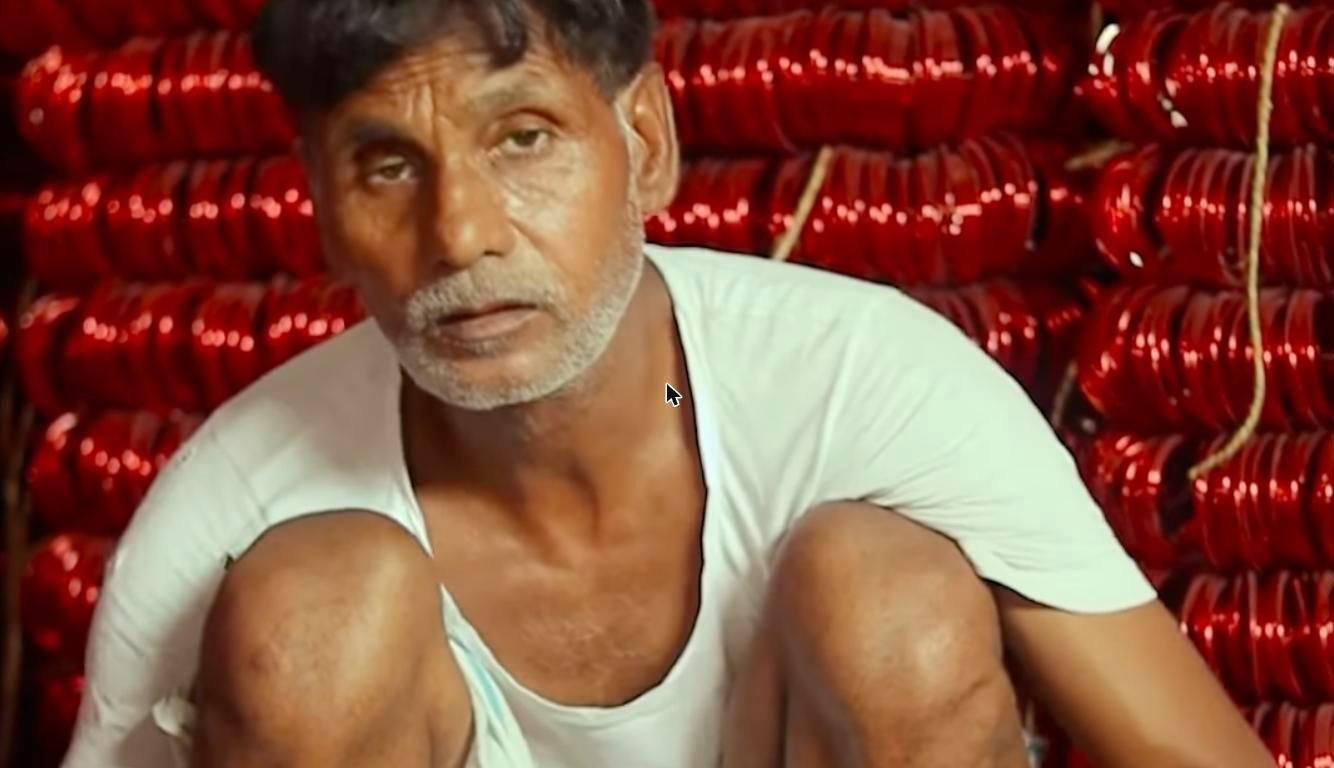
Long before a bangle reaches a wrist in a wedding bazaar, it has been through fire many times. In Firozabad, western Uttar Pradesh, that journey from raw glass to a bright, matched set depends on generations of craftsmanship and on thousands of working hands. It is why the city is so often called Suhag Nagari and known as India’s city of bangles.
A craft with a long memory
Accounts differ on how old the trade is. Some date Firozabad’s bangle making back more than two hundred years, while others describe a much older glass tradition. A history of the industry’s colonial legacy describes an earlier method in which bangles were made one at a time at a small clay furnace, the glass stretched over a turning stone cone. The industry grew considerably in the colonial period, and the craft later received a Geographical Indication as Firozabad glass.
From sand to circle
It begins in the furnace. Silica sand, soda ash and other ingredients, often along with recycled scrap glass, are melted at very high temperatures. A glowing gather of molten glass is then drawn out and wound in a continuous coil around a rotating rod, so that the glass becomes a long spiral of loops.
The coil is cut into individual rings, which are still open. In the next stage, known as judai, workers heat the two ends over a flame and join them. The bangles are levelled and shaped, then may be cut with grooves, painted or embellished. A further round of firing helps set the finish, after which they are inspected, sorted by size and design, bundled and sent to market. Broken glass can return to the furnace and begin again.

Every bangle that emerges from Firozabad’s furnaces carries not just the beauty of glass but also the stories of the skilled hands behind it.
The work that happens at home
The factory furnace is only one part of the story. Bangle making here is spread across factories, small units and homes. Much of the joining and decorating is done in household workshops, often by women. It is patient, exacting work, repeated across very large numbers of bangles.
It can also be dangerous. Al Jazeera’s 2015 photo report described the health hazards created by heat, chemicals and glass, much of it handled indoors. A later ground report by ThePrint documented fires linked to the fuel used in bangle joining, reporting at least 16 deaths and more than 300 injuries over five years. Anyone who admires the finished bangle should know these conditions too.
A changing industry
Firozabad lies within the Taj Trapezium Zone, the protected area around the Taj Mahal. In December 1996 the Supreme Court acted against coal pollution in the zone, pushing industries to move to cleaner fuel such as natural gas or to shift out. The change reshaped the glass trade, and working conditions have remained a subject of concern. Makers have also faced rising costs and weaker demand, along with competition from bangles made of other materials.
Why it matters
A set of glass bangles is small, inexpensive and easy to break. Yet it holds the skill of the person who gathered the glass, the one who wound it, the one who closed the ring over a flame and the one who added the last line of colour. The next time you hear that soft chime, remember Firozabad, and the many people who made it possible.
Watch the Reel
Watch Aditya Kumar’s reel on Instagram.
Read next: Pachikari, the inlay art of the Taj Mahal and Phool Patti ka Kaam of Aligarh.
Location Context
Firozabad is in western Uttar Pradesh, about 40 km east of Agra.